
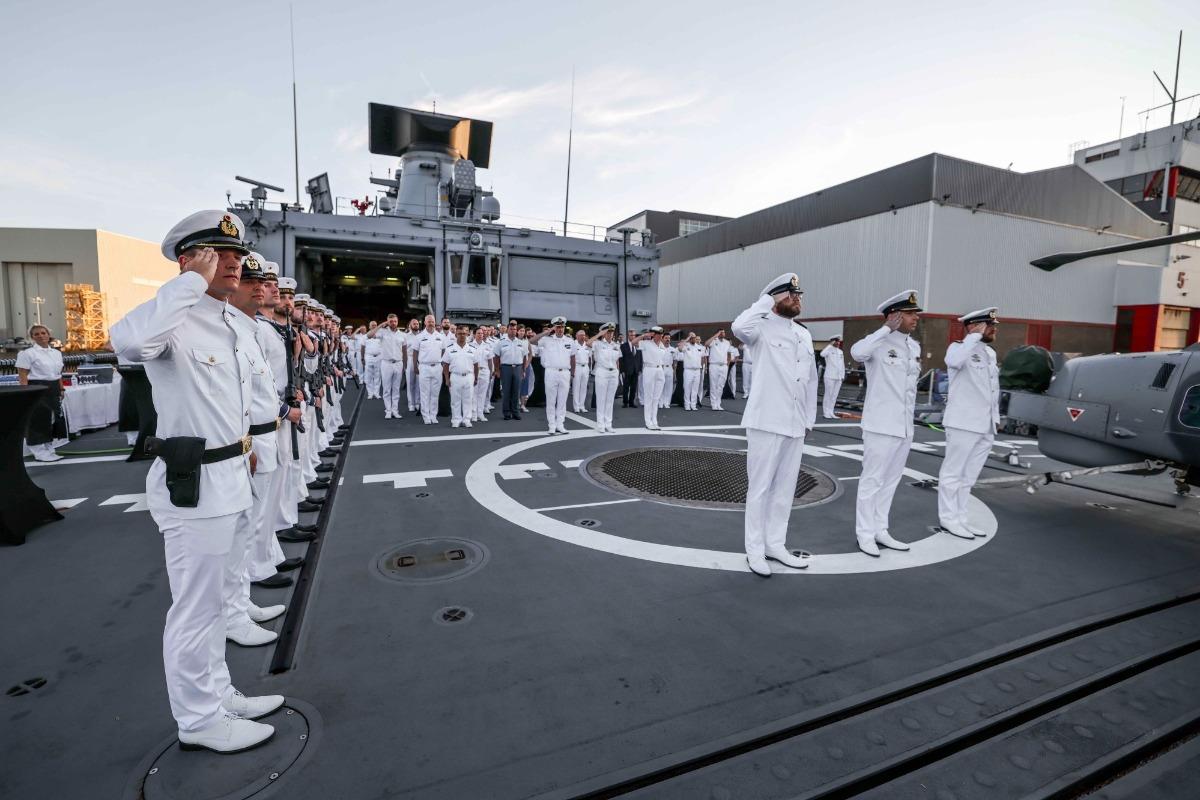
Four warships from NATO’s Standing NATO Maritime Group One (SNMG1) recently called at Halifax, Nova Scotia, underscoring the Alliance’s enduring transatlantic bonds and commitment to maritime security and interoperability.

A team of dedicated sailors from His Majesty’s Canadian Ship (HMCS) St. John’s once again laced up their running shoes for the 31st annual Run the Rock, the iconic relay-style fundraiser that crosses Newfoundland and Labrador in support of Make-A-Wish Canada.
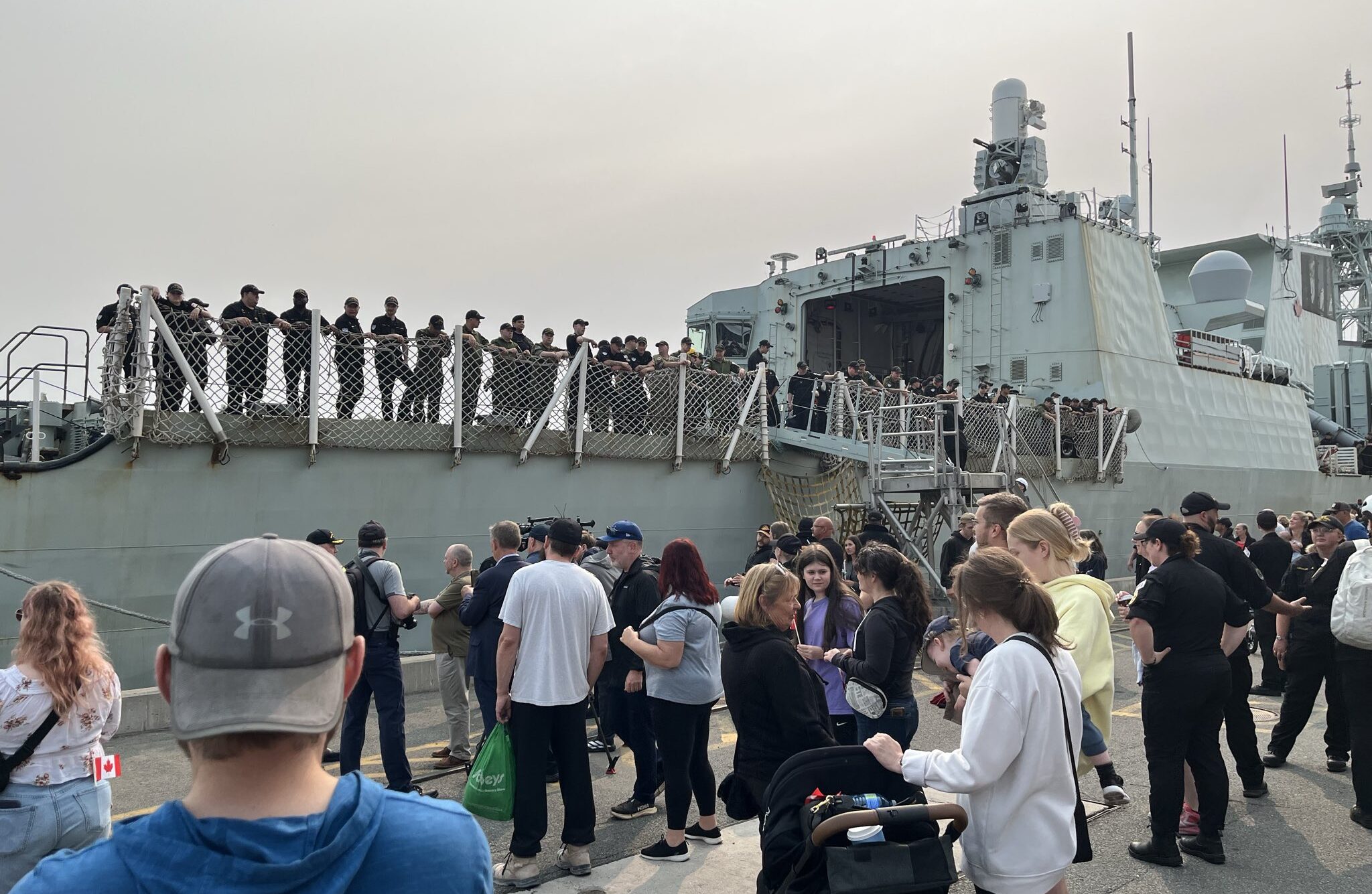
HMCS Ville de Québec will operate alongside Allied naval forces in the North Atlantic, the North Sea and the Baltic Sea until December 2026.
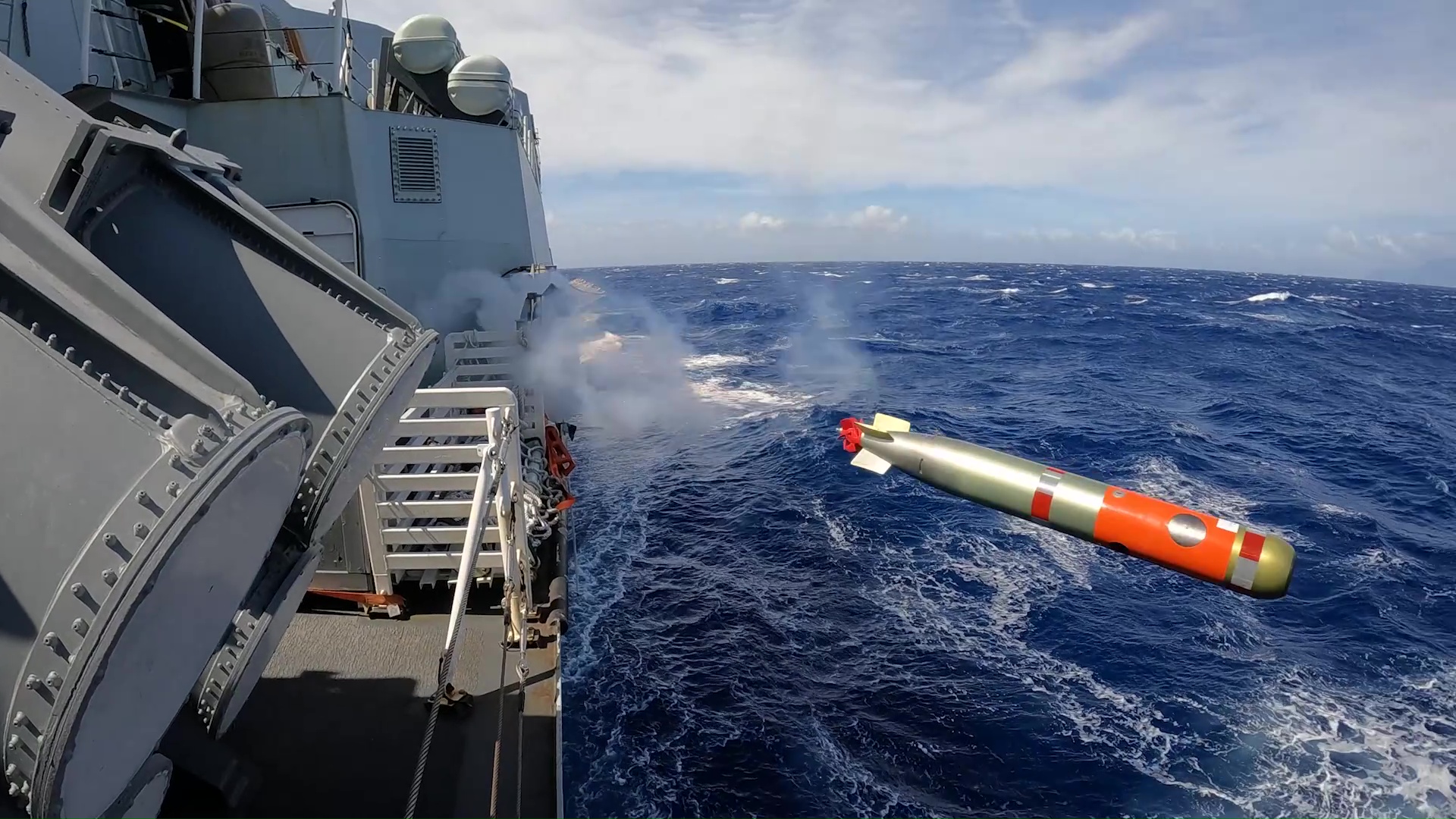
HMCS Ottawa (FFH 341) successfully fired a pair of MK 46 lightweight torpedoes during the sea phase of Exercise Rim of the Pacific (RIMPAC) 2026.
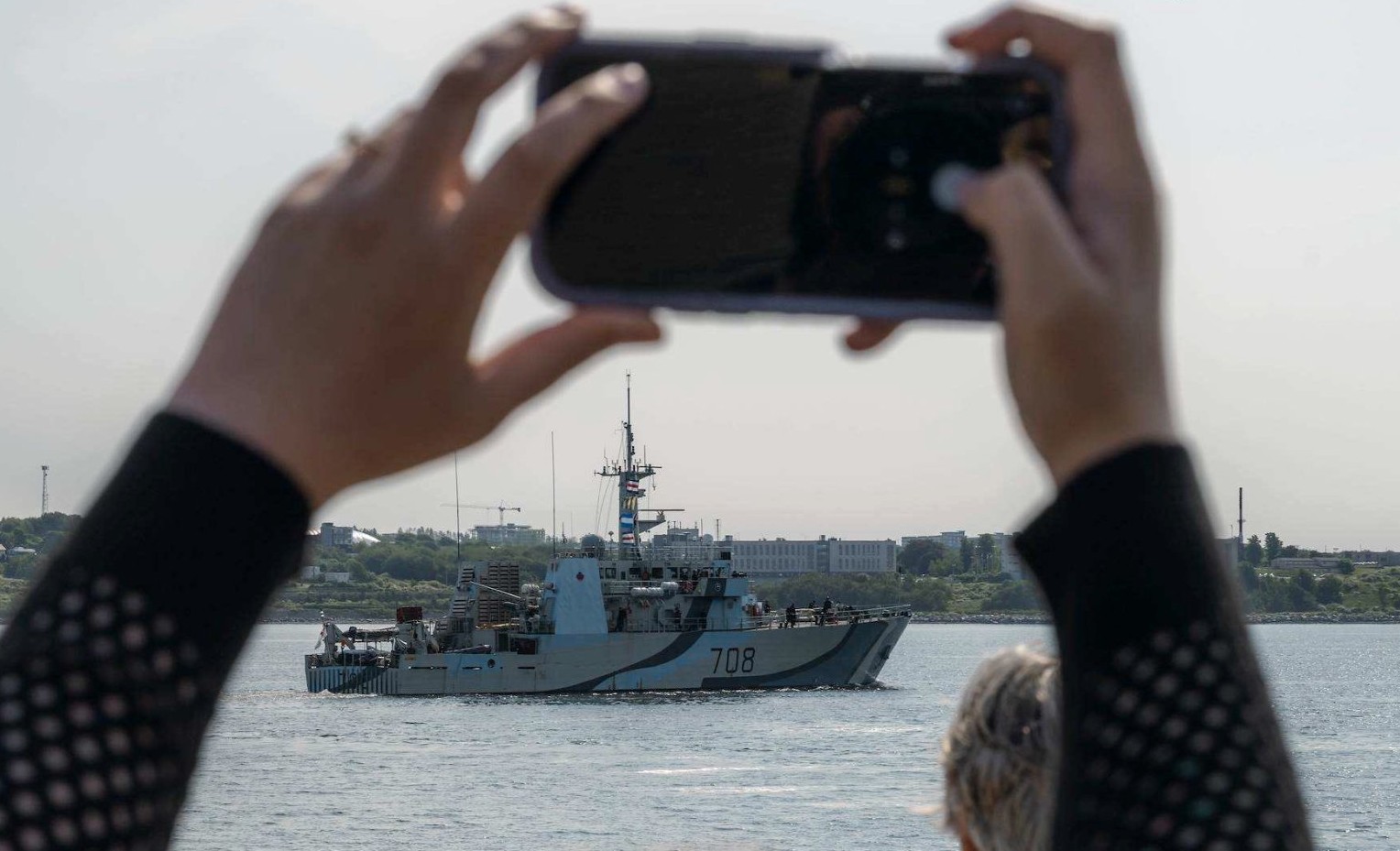
The two Kingston-class Maritime Coastal Defence Vessels will join Standing NATO Mine Countermeasures Group One (SNMCMG1), where they will conduct mine countermeasure operations alongside Allied navies through October.
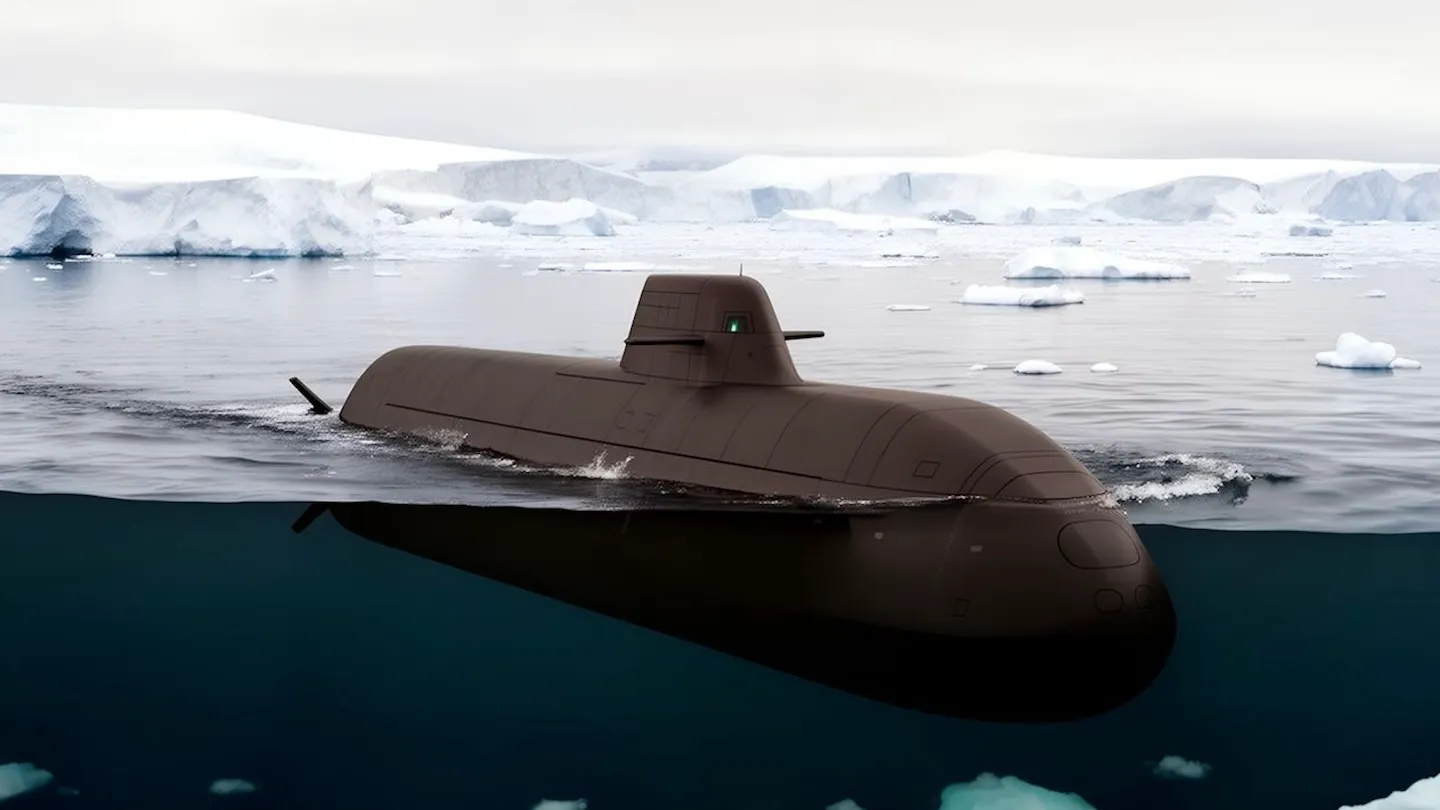
Prime Minister Mark Carney announced today that Canada has chosen Germany’s ThyssenKrupp Marine Systems (TKMS), in partnership with Norway, as the preferred supplier to build a new fleet of up to 12 conventionally powered submarines for the Royal Canadian Navy.
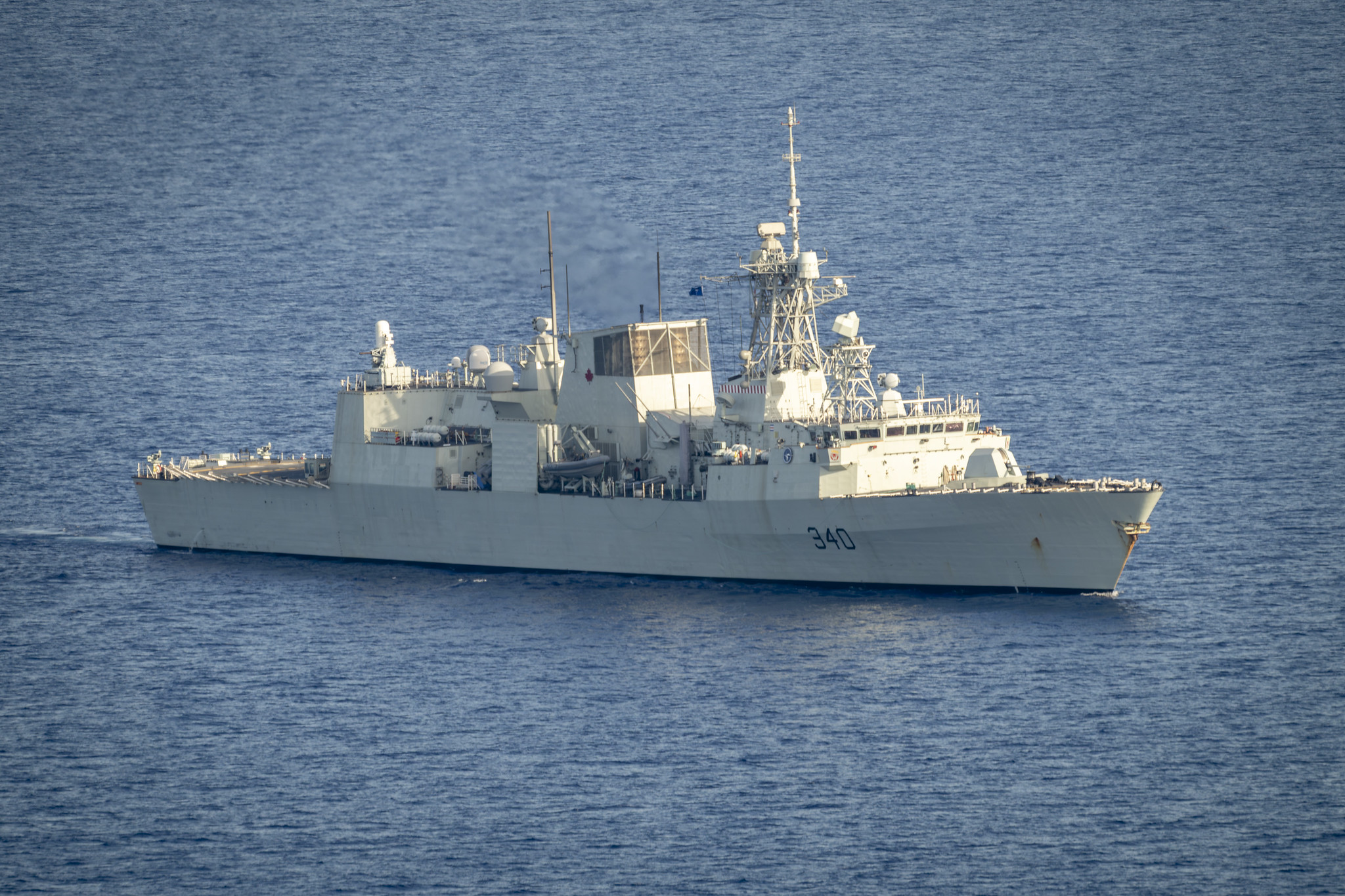
The exercise brought together naval forces from 20 nations — including Belgium, Brazil, Cameroon, Canada, Côte d’Ivoire, Denmark, France, Germany, Ghana, Mexico, Morocco, Netherlands, Norway, Peru, Republic of Korea, Senegal, Spain, Türkiye, the United Kingdom, and the United States — in a coordinated demonstration of collective capability, interoperability, and unity among allies and partners.

Canada has taken a major step forward in strengthening its northern defences by formalizing a comprehensive partnership with Australia to deliver a new Arctic Over-the-Horizon Radar system.
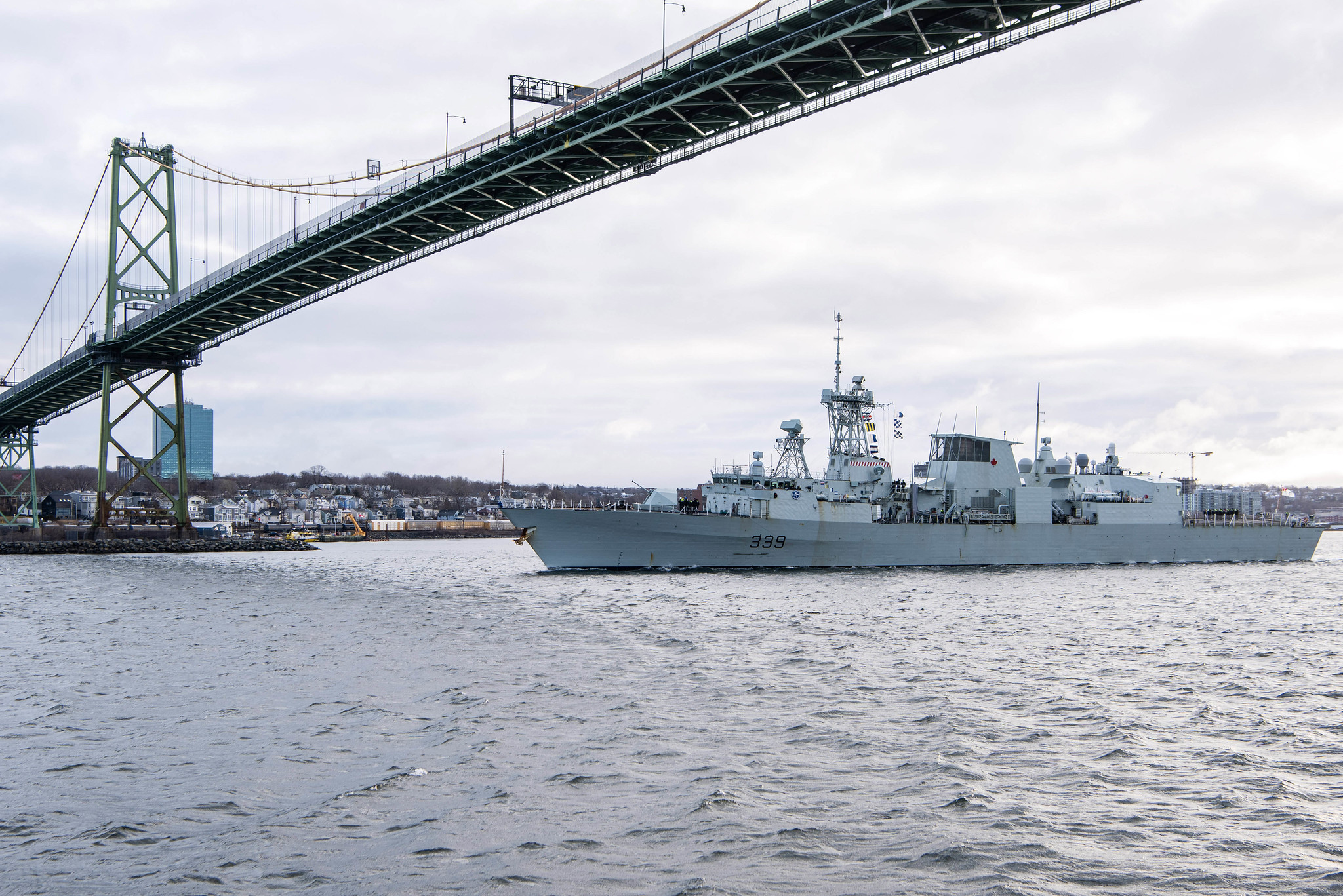
HMCS Charlottetown will conduct anti-submarine warfare training, strengthening its ability to operate seamlessly with allies and partners.
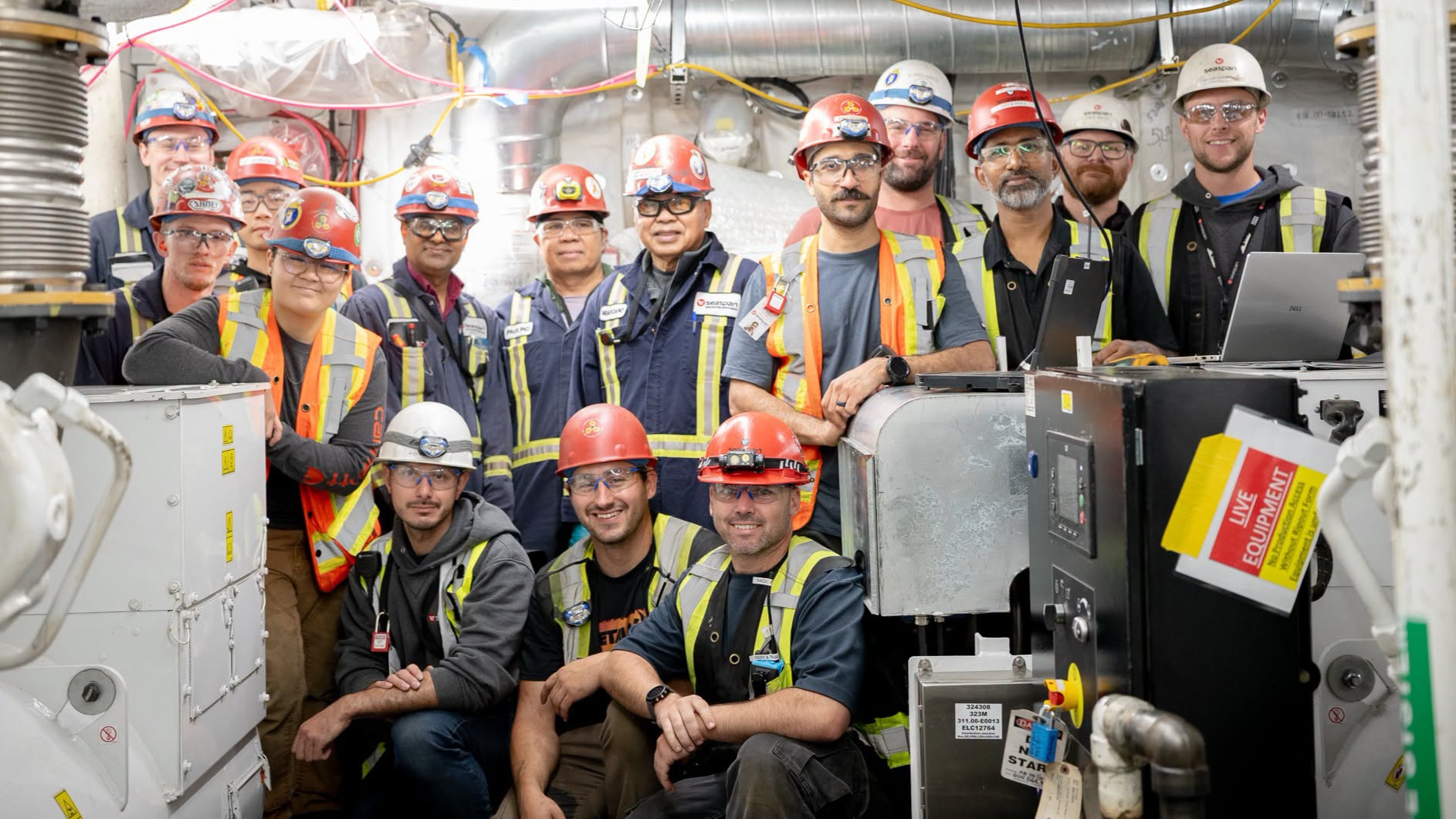
In a significant step forward for Canada’s naval shipbuilding program, the team at Seaspan’s Vancouver Shipyards recently gathered aboard the future HMCS Protecteur to celebrate the successful activation of the ship’s main diesel generators.
Copyright 2010-2026 | Web site proudly hosted in Canada
| Powered by WordPress | Theme by TheBootstrapThemes
