

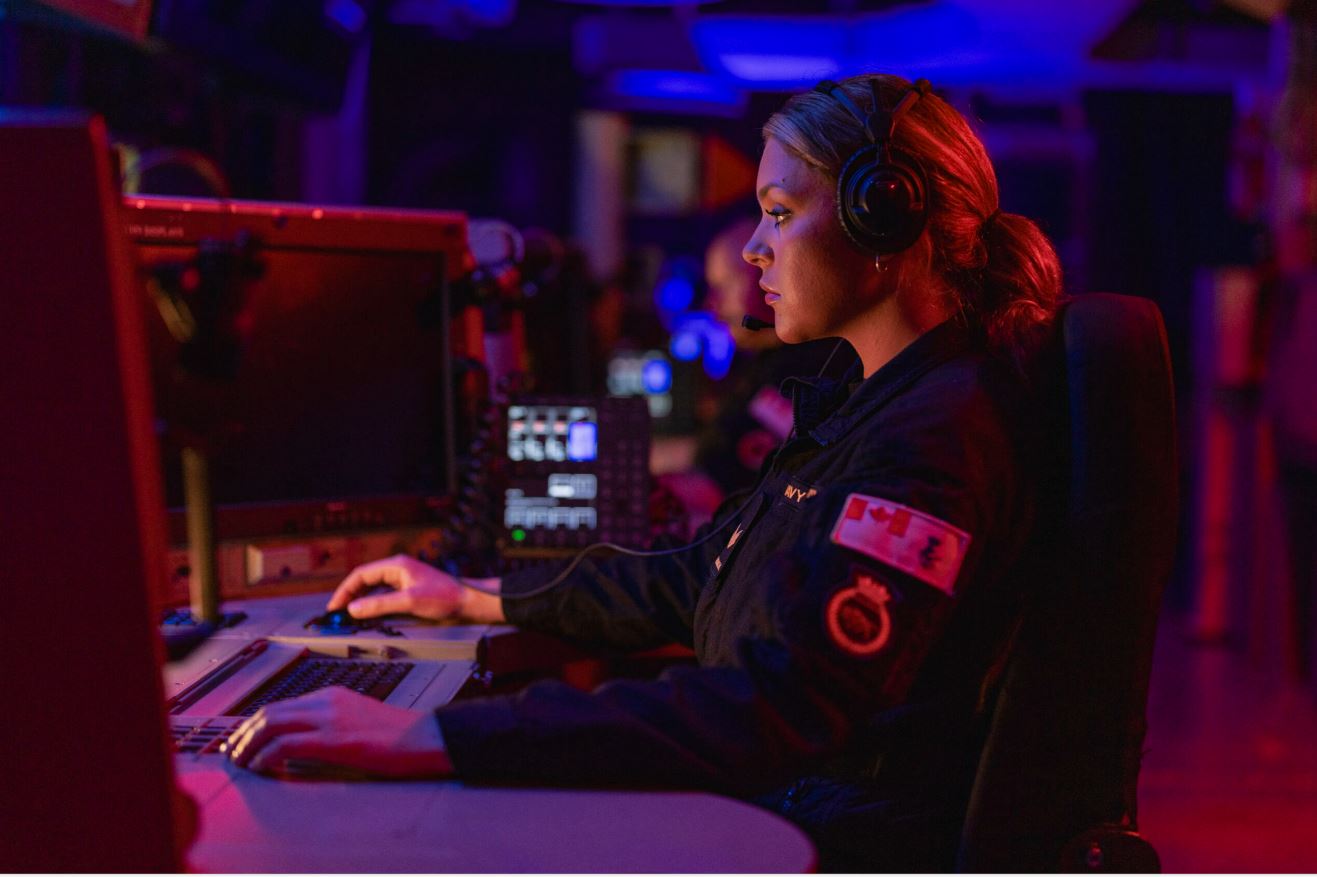
The Royal Canadian Navy (RCN) is preparing for a new era of maritime power with a bold reorganization of its sailor occupations. In an official announcement released on February 26, 2026, the RCN detailed the results of a comprehensive Occupation Analysis that will reshape how the Navy trains, organizes, and sustains its workforce for the decades ahead.
The initiative, titled “Future naval occupations determined to ensure readiness,” signals a deliberate shift to meet the demands of emerging technologies, advanced combat systems, and increasingly complex operational environments. As Canada’s Navy looks toward new ship classes and heightened global responsibilities, its people must be equipped with skills that match the fleet of tomorrow.
Why the Change Is Needed
The RCN has long prided itself on delivering outstanding operational results, but its occupation structure, largely unchanged for years, no longer fully aligns with modern realities. New platforms, sophisticated sensors, electronic warfare capabilities, and integrated combat systems have transformed what sailors actually do at sea, ashore, and in training.
To address this gap, the Navy conducted an in-depth Occupation Analysis. The study examined every aspect of daily work, how technology has altered roles, and where legacy structures were holding back agility and adaptability. In December 2025, the analysis was presented to the Commander of the RCN, who approved a clear path forward: consolidate and modernize nine existing RCN-managed occupations into thirteen new, future-focused ones.
The goal? Create a more resilient, flexible workforce with clearer career pathways, better-aligned training, and the ability to grow alongside cutting-edge capabilities.
From Legacy to Future: The New Occupation Map
The reorganization redistributes tasks, duties, and responsibilities across a streamlined yet expanded set of roles. Here is how the current occupations map to the new structure:
| Current Occupations | Future Occupations |
|---|---|
| Naval Combat Information Operator (NCIOP) |
|
| Naval Electronic Sensor Operator (NESOP) |
|
| Naval Communicator (Nav Comm) |
|
| Sonar Operator (Sonar Op) |
|
| Weapons Engineering Technician (W Eng Tech) |
|
| Naval Warfare Officer (NWO) |
|
| Naval Combat Systems Engineering Officer (NCS Eng) |
|
| Marine Systems Engineering Officer (MS Eng) |
|
| Naval Engineering Officer (Nav Eng) |
|
Several officer occupations remain unchanged, preserving continuity in leadership and engineering expertise, while most sailor trades are being split and specialized to reflect the growing complexity of naval warfare.
Implementation: Careful, Deliberate, and Sailor-Focused
The RCN has now entered the implementation planning phase. No individual sailors will see immediate changes to their roles, ranks, or career paths. Instead, the Navy is taking a measured approach that prioritizes operational readiness, fairness, and long-term workforce health.
Key priorities during this phase include:
– Sequencing transitions to avoid disrupting fleet readiness
– Protecting specialized skill sets developed over years of service
– Coordinating across all RCN formations, training schools, and headquarters
– Reviewing pay implications through established processes with full transparency
The Navy reports that the most common questions from sailors so far center on pay and the preservation of hard-earned expertise — concerns that leadership has explicitly acknowledged and committed to addressing.
Over the coming months, broad engagement with sailors, dedicated working groups, and senior governance bodies will refine the plan. Updates on training pipelines, recruiting strategies, policy changes, and compensation will be shared as planning matures.
A Stronger Navy for a Changing World
This occupation overhaul is more than an administrative exercise; It is a foundational step in ensuring the RCN remains a credible, combat-ready force well into the 21st century. By aligning its people structure with the technology and threats of the future, Canada’s Navy is investing in the human element that ultimately decides success at sea.
As one of the most technologically advanced navies in the world, the RCN’s ability to operate advanced frigates, submarines, and future surface combatants depends on sailors who are not only highly skilled but also highly adaptable. These thirteen new occupations represent a clear commitment to that adaptability.
Sailors, veterans, and defense watchers alike will be watching closely as the implementation plan takes shape. For the men and women who wear the RCN uniform today, the message is clear: your Navy is changing. Thoughtfully, strategically, and with your future in mind, to ensure that when the fleet of tomorrow sails, its crews will be ready.
