In a pointed display of resolve, a Canadian frigate sailed through the contested Taiwan Strait last week, alone and unescorted, despite explicit Chinese warnings that such passages could undermine a freshly minted strategic partnership between Ottawa and Beijing. The move has sparked a firm diplomatic rebuke from China, even as Beijing’s top diplomat arrived in Canada for the first foreign ministerial visit in a decade.
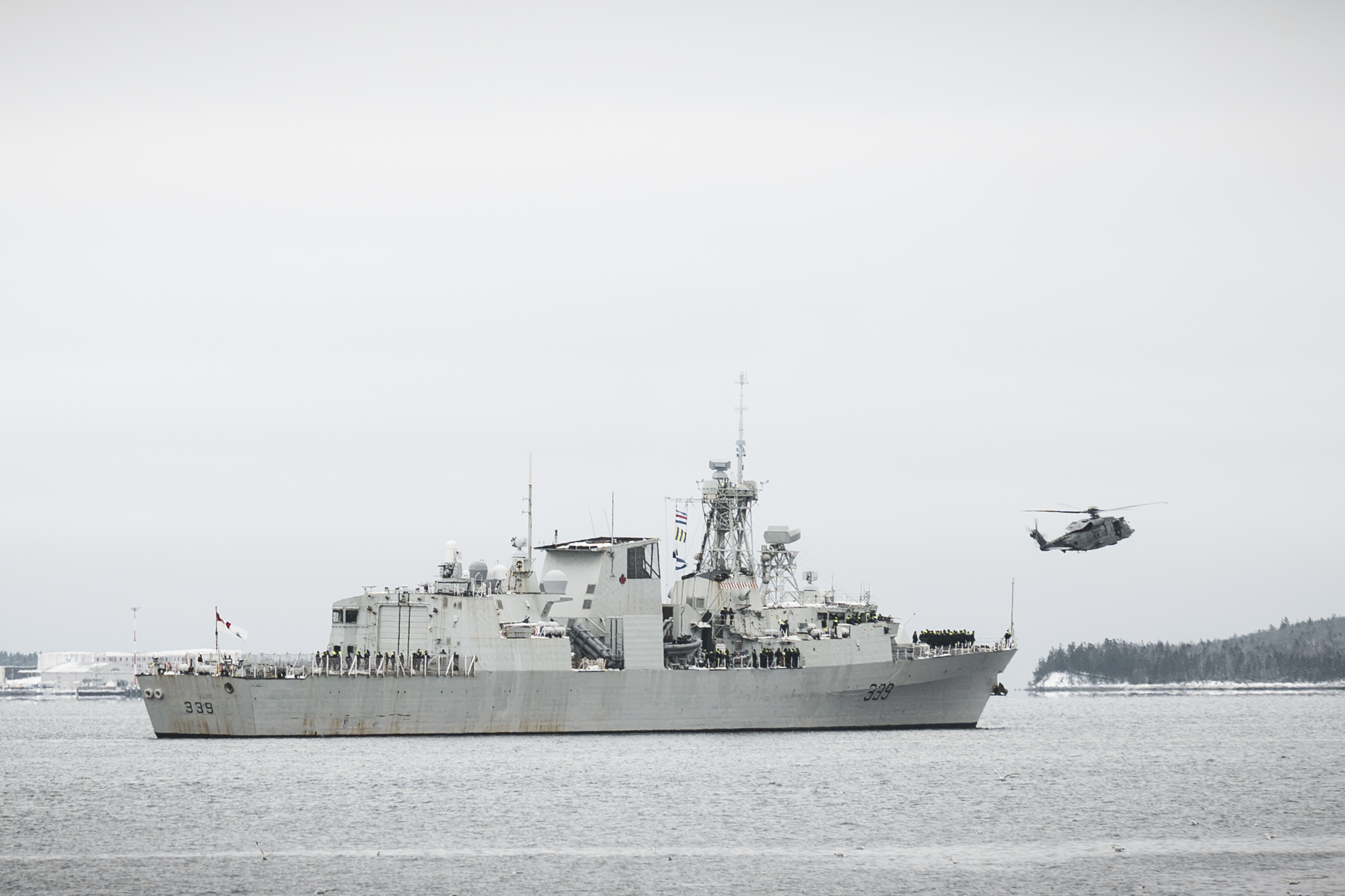
HMCS Charlottetown, a Halifax-class frigate based in Halifax with a crew of approximately 240, conducted what the Department of National Defence described as a “routine transit” through the 180-kilometre-wide waterway on May 22-23, 2026. The ship completed the passage solo after a goodwill stop in Da Nang, Vietnam, temporarily vanishing from public tracking by turning off its automatic identification system transponder before reappearing south of the Korean Peninsula.
“On May 22, 2026, HMCS Charlottetown conducted a routine transit through the Taiwan Strait, which was completed on May 23, 2026,” said DND spokesperson Andrée-Anne Poulin. Canada maintains that the strait constitutes international waters subject to transit passage rights under the United Nations Convention on the Law of the Sea, rights that allow warships to pass freely without prior permission from coastal states.
China sees the matter differently. On Friday, Foreign Ministry spokesperson Mao Ning declared: “China respects the right of navigation that all countries are entitled to under international law, but firmly opposes acts that undermine China’s sovereignty and security in the name of freedom of navigation.” Ambassador to Canada Wang Di went further, stating that sending warships through the strait “violates China’s territorial integrity.”
The timing could hardly be more delicate. The transit occurred days before Chinese Foreign Minister Wang Yi landed in Ottawa late Thursday for a three-day visit, the first such high-level bilateral trip in 10 years. Wang described a “turnaround” in China-Canada relations, which are “improving and growing,” as the two sides seek to expand trade and investment amid U.S. tariffs under President Donald Trump. Prime Minister Mark Carney’s January 2026 meeting with President Xi Jinping produced a truce in a painful trade war and the announcement of a new “strategic partnership.”
Beijing had issued a clear pre-emptive warning. In an April interview with The Globe and Mail, Ambassador Wang Di cautioned that continued naval transits, or visits by Canadian parliamentarians to Taiwan, would harm the budding partnership.
Defence Minister David McGuinty reaffirmed earlier this month that Ottawa views the waterway as international. Conservative foreign affairs critic Michael Chong praised the navy’s action after his own defiantly scheduled trip to meet Taiwanese President Lai Ching-te. “After Beijing recently made an unreasonable demand that Canadian warships no longer transit the Taiwan Strait, the Canadian government had to signal that it wasn’t going to comply and exercise the Royal Canadian Navy’s right of transit passage,” he said.
Vina Nadjibulla of the Asia Pacific Foundation of Canada called the transit a strong signal. “It shows that Canada is committed to upholding international law and ensuring that international waterways, such as the Taiwan Strait, are free for passage for all, including Canada… We have to advance multiple objectives at the same time: deepening some economic engagement with China… while also standing firm on our overall national security agenda.”
This was reportedly the ninth Canadian warship passage since 2020 and only the second under the Carney government (following a September 2025 transit alongside an Australian destroyer). Under the previous Trudeau administration, Canadian vessels crossed the strait 11 times between 2018 and his departure.
Taiwan’s defence ministry described the strait as “an international waterway” and said it monitors developments closely but does not comment on allied ship movements.
The episode underscores the tightrope Ottawa is walking: courting Chinese markets as Canada’s second-largest trading partner while projecting commitment to a “free and open Indo-Pacific”. As one analyst noted, Asian capitals from Beijing to Tokyo to Taipei and allies in Washington and Canberra are watching closely to see where Canada draws its lines.