

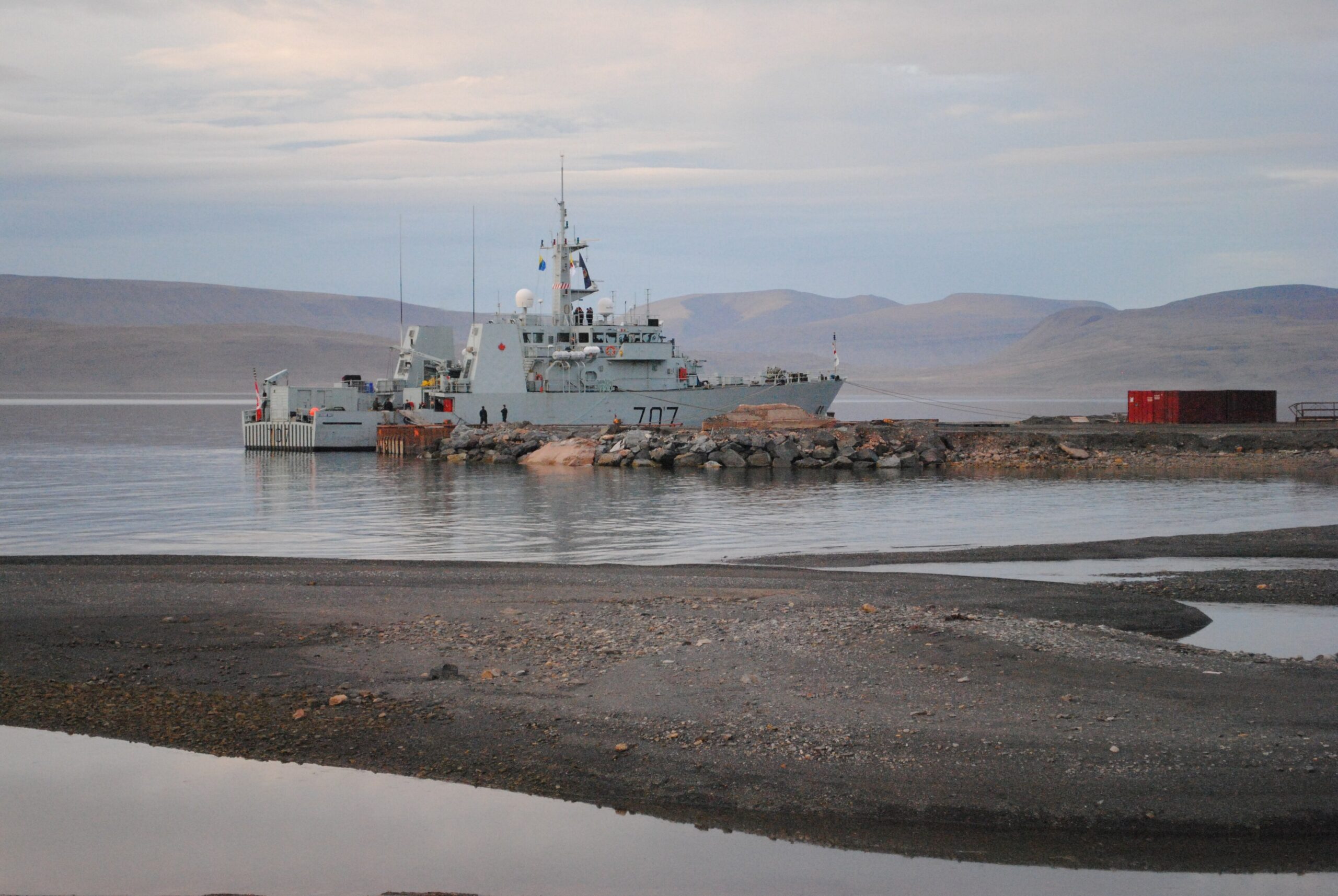
Ottawa, May 21, 2026 — The Department of National Defence (DND) today announced it is shuttering the Nanisivik Naval Facility on northern Baffin Island, Nunavut, placing the troubled Harper-era project into non-operational “caretaker status” and initiating a review for potential divestment. The decision marks the effective end of a nearly two-decade effort to establish a permanent refuelling and berthing station in the High Arctic.
In an official statement, National Defence Minister David McGuinty said the move reflects the changing realities of Arctic operations. “The Arctic has changed significantly since 2007, and Canada’s investments need to keep pace with today’s realities,” McGuinty stated. “This is an opportunity to modernize northern infrastructure and capabilities in a way that strengthens our sovereignty, supports our military priorities in the North, and delivers better value for Canadians.”
Vice-Admiral Angus Topshee, Commander of the Royal Canadian Navy, was more direct: “The Royal Canadian Navy can operate in the Arctic without the Nanisivik Naval Facility.” He added that the decision will allow the navy to redirect resources toward strengthening overall readiness.
First announced in 2007 by then-Prime Minister Stephen Harper, the Nanisivik facility was originally pitched as a bold assertion of Canadian sovereignty in the Northwest Passage. Located on the site of a former lead-zinc mine near Arctic Bay, about 20 kilometres from the community, it was intended as a seasonal docking and refuelling station to support the navy’s Arctic and Offshore Patrol Ships (AOPS) and other government vessels operating in the Far North.
Over the years, the project was repeatedly scaled back—from ambitious plans for a year-round deep-water port and airstrip to a more modest summer-only refuelling depot. Construction faced chronic delays due to the extreme Arctic environment: complex logistics, permafrost instability causing ground shifting and buckling, and severe microbial-induced corrosion on the jetty from cold-water bacteria. Despite spending approximately $110.8 million, the facility never became operational. An additional $200 million would have been required to make it functional, according to DND estimates.
The site currently consists of basic infrastructure only: a site office, helicopter pad, wharf operator’s shelter, storage building, and two unheated fuel tanks. Its operational window was always limited to roughly four weeks per year because of sea ice and harsh conditions.
Why Now? Better Ships and Shifting Priorities
DND officials cited three main reasons for the closure:
- Extended capabilities of the Harry DeWolf-class patrol vessels: These new AOPS ships have demonstrated significantly greater fuel endurance and range than originally anticipated, reducing the need for a dedicated Arctic refuelling stop.
- Short seasonal window and high operating costs: The facility’s limited usefulness did not justify the ongoing expense of maintenance in one of the world’s most remote and challenging environments.
- Evolving Arctic strategy: With climate change opening new sea routes and increasing international interest in the region, the government says it is reallocating resources to more effective northern defence and infrastructure priorities.
The facility will now enter caretaker status while DND conducts long-term asset management reviews. If deemed surplus to military needs, the property will be divested—potentially transferred to another government department, the Government of Nunavut, or another party. Officials say environmental remediation and removal of remaining infrastructure will follow.
Reactions and Implications
Liberal MP Lori Idlout, who represents Nunavut, described the decision as prudent in a changing geopolitical climate but stressed the need for thorough environmental assessments and remediation “for the people of Arctic Bay.”
Defence analysts and northern observers have long questioned the project’s viability. Some viewed it as more symbolic than practical, while others saw its repeated delays as emblematic of broader challenges in delivering Arctic infrastructure.
The government insists the closure will not weaken Canada’s Arctic presence or sovereignty. Instead, it argues that modern, capable ships and alternative investments will provide a more flexible and cost-effective approach to patrolling and asserting control over the region.
After nearly 19 years, billions in planning, and over $110 million spent, the Nanisivik Naval Facility joins a list of ambitious Arctic projects that ultimately fell victim to the unforgiving realities of the North. For the Royal Canadian Navy, the focus now shifts from building fixed bases to leveraging mobile, adaptable platforms better suited to the rapidly changing Arctic environment.
