The Royal Canadian Navy (RCN) is at the forefront of Canada’s latest Arctic sovereignty efforts as Operation NANOOK-TUUGAALIK gets underway. Launched on August 14, 2026, this maritime-focused serial of the Canadian Armed Forces’ signature northern operation runs from August through October and centres on maintaining a visible naval presence, enhancing domain awareness, and building operational proficiency in one of the world’s most demanding environments.
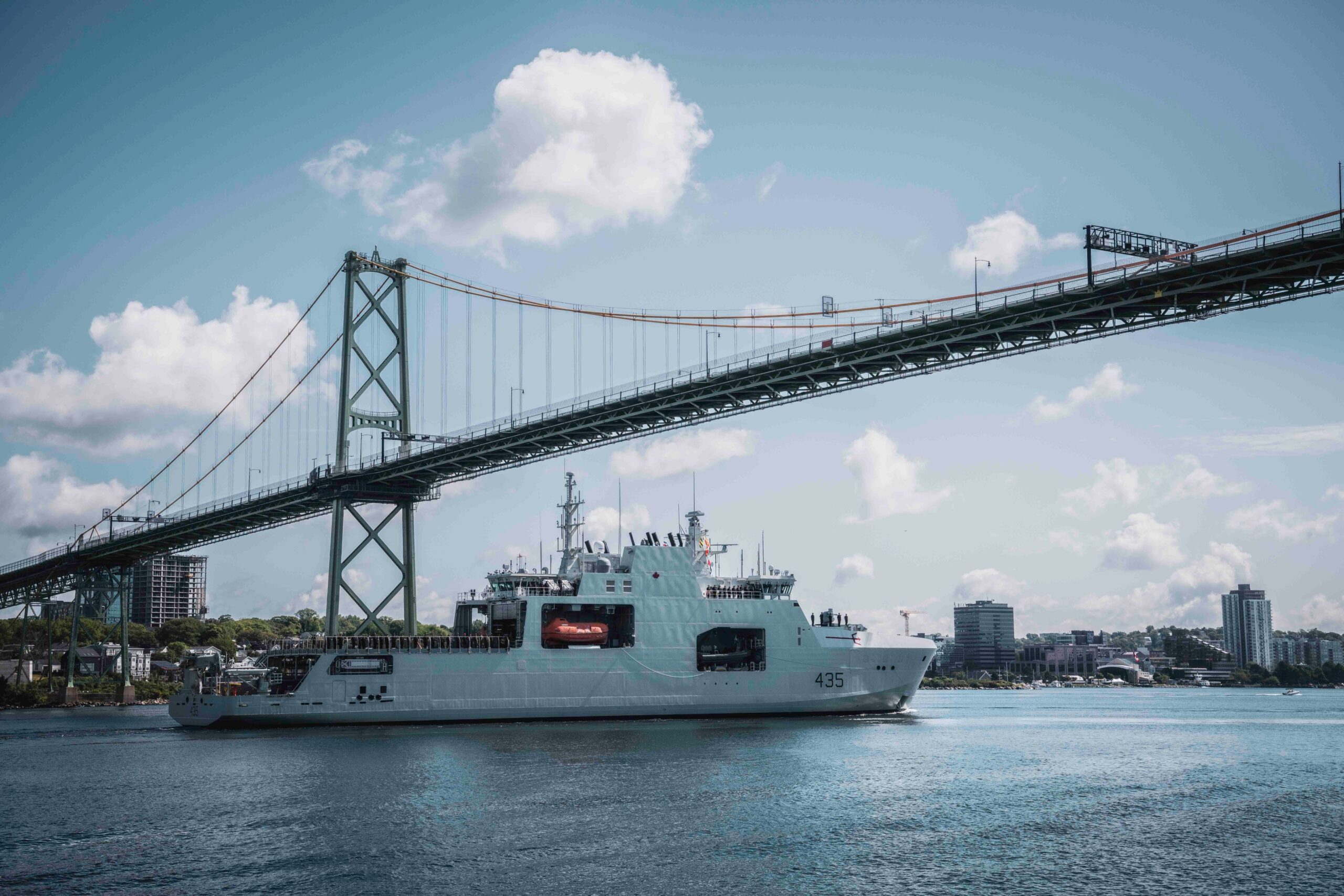
At the heart of the RCN’s contribution is His Majesty’s Canadian Ship (HMCS) Robert Hampton Gray, the sixth and final Harry DeWolf-class Arctic and Offshore Patrol Vessel (AOPS). The ship, under the command of Commander Brian Henwood (who also serves as Task Force Commander), departed Halifax Harbour leading a multinational group that included the Danish frigate HDMS Thetis and Canadian Coast Guard Ship (CCGS) George R. Pearkes. The vessels are now steaming toward a transit of the Canadian arctic archipelago, conducting patrols, surveillance, community engagement, and refuelling operations alongside partners from the United States, France, and Denmark.
A Signature Maritime Serial
Operation NANOOK is Canada’s primary vehicle for demonstrating the ability to detect, deter, and defend Canadian interests across the Arctic and North. TUUGAALIK is its dedicated maritime component, designed specifically to showcase the RCN’s capacity to operate effectively in northern waters in concert with other government departments and NATO Allies.
Throughout the year, NANOOK serials—NUNALIVUT, QIMAAVIVUT, TAKUNIQ, TATIGIIT, NUNAKPUT, and TUUGAALIK—support near-persistent Canadian Armed Forces presence enabled by permanent infrastructure in the region. TUUGAALIK places particular emphasis on maritime domain awareness and is conducted in coordination with NATO’s enhanced Vigilance Activity ARCTIC SENTRY, which integrates Allied activities under a single operational approach to strengthen collective security and resilience.
Rear-Admiral Pascal Belhumeur, Commander of Maritime Forces Atlantic, highlighted the value for RCN sailors, saying, “TUUGAALIK showcases the professionalism and adaptability of our sailors operating side-by-side with Allied partners in one of Canada’s most demanding maritime environments. These operations strengthen how we integrate, communicate, and respond together at sea—capabilities that are essential to Canada’s defence and to Allied security in the Arctic.”
HMCS Robert Hampton Gray: Purpose-Built for the North
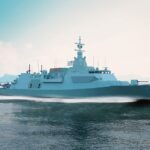
The Harry DeWolf-class vessels were designed under Canada’s National Shipbuilding Strategy precisely for Arctic and offshore patrol duties. Measuring 103.6 metres in length with a displacement of approximately 6,615 tonnes, they feature Polar Class 5 ice capability, allowing sustained operations in first-year ice up to one metre thick. Key features include an enclosed forecastle for protection against Arctic conditions, helicopter facilities capable of supporting the CH-148 Cyclone, multi-role boats, a 20-tonne crane for payload handling, and a suite of sensors and weapons suited to surveillance and law-enforcement tasks.
HMCS Robert Hampton Gray is the newest addition to the class. Delivered to the RCN in August 2025 and named in honour of Lieutenant Robert Hampton Gray, VC, DSC—the only member of the Royal Canadian Navy to receive the Victoria Cross during the Second World War—the ship embodies both historical pride and modern capability. Gray, a naval aviator serving with the Royal Navy’s Fleet Air Arm, was posthumously awarded the VC for his courageous attack on a Japanese destroyer in Onagawa Bay on 9 August 1945.
Commander Henwood underscored the practical benefits of time spent in the region saying “For our ships, crews, and allies, TUUGAALIK is about spending time where it matters most: on the water, in the Arctic, exercising together to build familiarity with the region and maintaining awareness at sea. Every patrol deepens our understanding of the operating environment, our capabilities, and strengthens the relationships we have with communities and partners across the North.”
Partnerships, Interoperability, and Stewardship
The operation brings together the RCN, Canadian Coast Guard, and other Canadian government departments with naval forces from the United States (including the littoral combat ship USS Wichita), France, and Denmark. This multinational participation reinforces interoperability and shared maritime awareness while supporting Canada’s sovereignty and NATO’s Arctic posture.
Lieutenant-General Steve Boivin, Commander of Canadian Joint Operations Command, framed the broader purpose as. “Operation NANOOK-TUUGAALIK demonstrates how Canada works effectively with allies and partners in the Arctic maritime domain. OP NANOOK is the Canadian Armed Forces’ operation to detect activities across waters of the Canadian Arctic Archipelago, to deter actors from challenging Canadian sovereignty and be postured to defend it.”
Environmental stewardship and respectful engagement with northern communities remain central. Operations are planned to minimize environmental impact, respect local conditions, and avoid placing additional strain on northern infrastructure and resources.
Looking Ahead
As climate change increases accessibility and activity in the Arctic, the RCN’s sustained presence through platforms like the Harry DeWolf class and operations such as NANOOK-TUUGAALIK is critical. By deploying the newest AOPS alongside close Allies, Canada is not only exercising the defence of its northern approaches but also contributing to a layered, collective approach to security in the High North.
HMCS Robert Hampton Gray and its multinational partners will continue patrols and engagement activities through October, further refining the RCN’s ability to operate, communicate, and respond effectively in Canada’s Arctic waters.