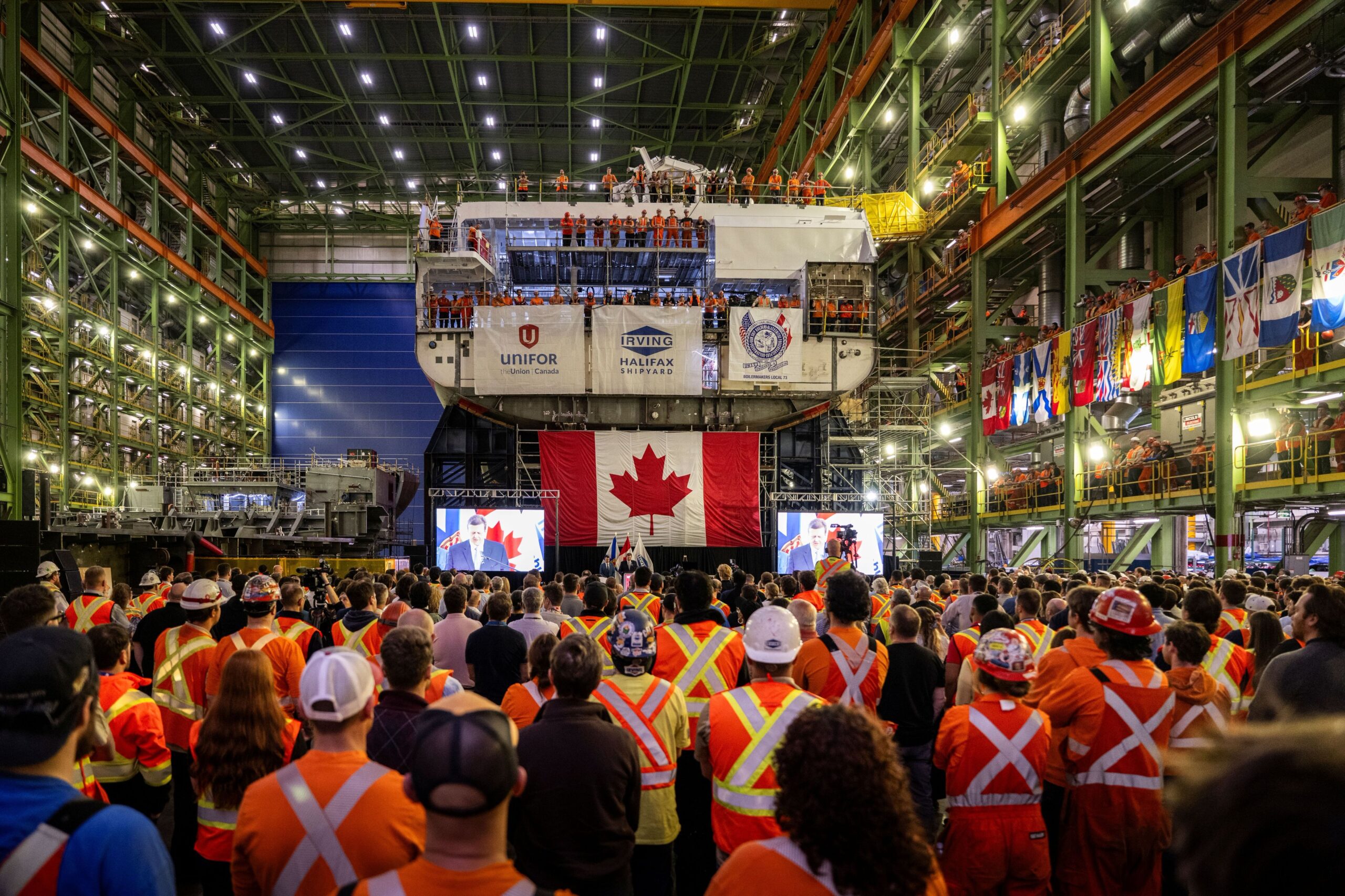
Halifax, Nova Scotia — June 12, 2026 – Government leaders and Royal Canadian Navy officials gathered in Halifax today to mark a historic milestone: the ceremonial keel-laying for Canada’s first River-class destroyer, the future His Majesty’s Canadian Ship (HMCS) Fraser. The event officially signals the beginning of full-rate construction on the lead ship of a new class of modern warships that will serve as the Royal Canadian Navy’s primary surface combat force for years to come.
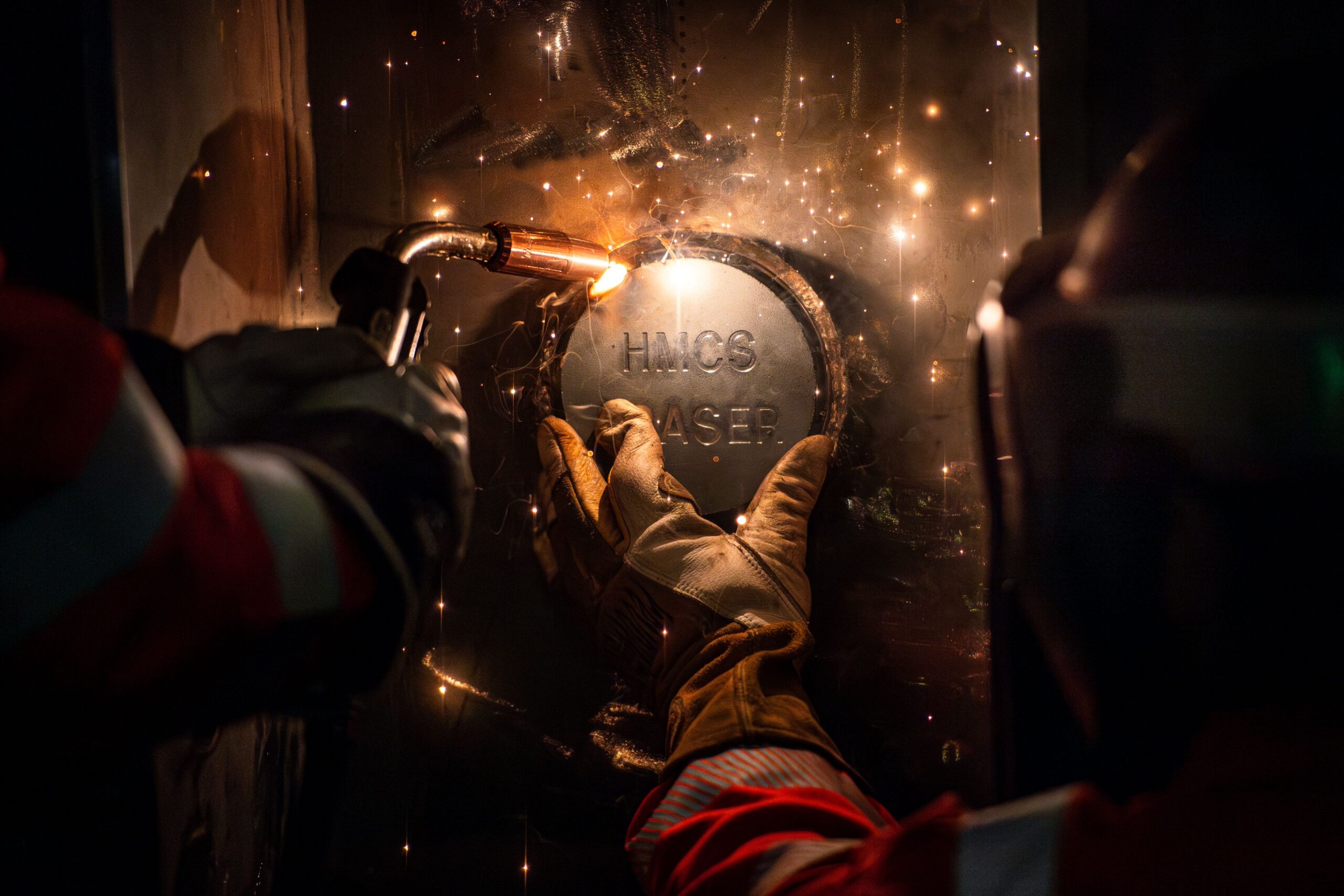
The Honourable Lena Metlege Diab, Minister of Immigration, Refugees and Citizenship, attended on behalf of the Honourable David J. McGuinty, Minister of National Defence, together with the Honourable Sean Fraser, Minister of Justice and Attorney General of Canada and Minister responsible for the Atlantic Canada Opportunities Agency. The ceremony followed the centuries-old naval tradition of laying the keel — the structural backbone of the ship — and welding a symbolic coin onto it to bring good fortune to the vessel and its future crew. The specially designed coin for this first River-class destroyer depicts explorer Simon Fraser traversing a gorge carved by the river that now bears his name.
Minister McGuinty welcomed the milestone, noting that “Reaching the concrete start of construction on the first River-class destroyer, our next-generation maritime capabilities, coupled with the steady delivery of Arctic and Offshore Patrol Vessels, is an encouraging step forward in strengthening our national resiliency and revitalizing our domestic shipbuilding industry.”
Minister Diab highlighted the deeper meaning behind the ship’s name, saying the future HMCS Fraser “is a nod to the historical importance of British Columbia’s Fraser River and to the people, ingenuity, resilience and determination that helped build modern-day Canada.” She added that the River-class destroyers “will help protect Canadians against diverse threats in an unpredictable marine environment,” and that watching the warships take shape “truly inspires confidence in Canada’s ability to continue protecting and defending our sovereignty.”
Minister Fraser emphasized the blend of tradition and forward progress, observing that today’s keel-laying “marks more than the start on construction, it also embodies our commitment to learning from our past to prepare for our future.” He described the project as building “a resilient maritime force in step with growing a stronger industrial base and economy for today and tomorrow.”
The keel-laying comes after initial construction began on a production test module in June 2024, with full-rate production officially starting in April 2025. Delivery of the future HMCS Fraser is expected in the early 2030s. Once in service, the River-class destroyers will replace the capabilities of the retired Iroquois-class destroyers and Halifax-class frigates with a single, modern, combat-capable platform. This consolidation is designed to simplify training and maintenance while giving the Navy greater flexibility to operate in open oceans and complex maritime environments.
The project is also expected to deliver major economic benefits across Canada. Between 2025 and 2039, the River-class destroyer implementation contract is projected to contribute nearly $720 million to Canada’s GDP and support about 5,250 jobs annually, with additional consumer spending by those workers expected to add roughly $191 million more to GDP and support another 1,545 jobs each year.
Minister of Industry Mélanie Joly underscored the strategic importance of the investment, stating that “In an increasingly dangerous and divided world, investing in our maritime capabilities is essential for defending Canada’s sovereignty and strengthening our shipbuilding industry.” She called today’s ceremony “an important milestone in our plan to protect well-paying jobs across the country, reinforce our economic security and ensure Canada is equipped to meet the challenges of a rapidly changing global landscape.”
Vice Admiral Angus Topshee, Commander of the Royal Canadian Navy, called it “a great day for the Royal Canadian Navy,” explaining that it marks “a major milestone in the production of the destroyers the Royal Canadian Navy urgently needs to protect Canadian waters and Canadian interests in an increasingly unpredictable and threatening world.”
Kevin Brosseau, Senior Associate Deputy Minister of National Defence and Commissioner of the Canadian Coast Guard, highlighted the collaborative nature of the effort, noting that the keel-laying “reflects the strong partnership between National Defence, the Canadian Armed Forces, and the Canadian Coast Guard.” He added that modernizing the fleets together is building “complementary capabilities that strengthen Canada’s maritime readiness, enabling our personnel to continue to protect our waters, and serve Canadians across every region.”
During the ceremony, officials also recognized continued progress on the Arctic and Offshore Patrol Ships project, including the recent delivery of the sixth and final vessel to the Royal Canadian Navy and the upcoming delivery of two vessels to the Canadian Coast Guard.
The River-class destroyers will be named after significant Canadian waterways to honour the Navy’s maritime heritage. With construction now formally underway on the first ship, Canada is taking a major step toward renewing its naval fleet and strengthening its domestic shipbuilding industry under the National Shipbuilding Strategy.