
HMCS HALIFAX (2nd) (330)
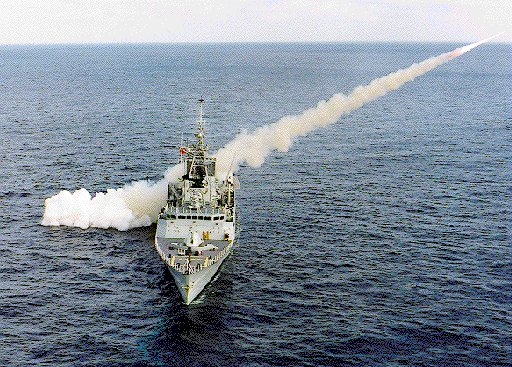
HMCS HALIFAX (2nd)
The History of HMCS HALIFAX (2nd)
HMCS Halifax (FFH 330), the lead ship of the Halifax-class frigates, has been a vital asset to the Royal Canadian Navy since its commissioning on June 29, 1992, in Halifax, Nova Scotia. Built as part of the Canadian Patrol Frigate Project, launched in 1977 to replace aging destroyer escorts, the vessel was designed for versatility, capable of engaging in anti-submarine, anti-surface, and anti-air warfare. Stationed at CFB Halifax under Maritime Forces Atlantic, it patrols the Atlantic and Arctic Oceans, enforcing Canadian sovereignty and contributing to international operations with a crew of 198, a top speed of 29 knots, and a range of 7,000 nautical miles.
Throughout the 1990s, HMCS Halifax played a significant role in global missions. In 1994, it supported the arms embargo in the former Yugoslavia and, in 1995, visited European ports to commemorate the 50th anniversary of V-E Day. The following year, it operated in the Adriatic, and in 1998, it assisted in the recovery efforts following the Swissair Flight 111 crash near Peggy's Cove, Nova Scotia. By 2000, the frigate joined NATO's Standing Naval Force Atlantic, showcasing its strategic importance. In 2001, it deployed to the Arabian Sea as part of Operation Apollo, Canada's contribution to the War in Afghanistan, returning in February 2002 after a significant counterterrorism mission.
The ship continued to serve in humanitarian and military capacities. In 2010, it was dispatched to Haiti under Operation Hestia, managing air traffic control at Jacmel Airport after a devastating earthquake. That same year, it began a major mid-life refit as part of the Halifax Class Modernization program at Halifax Shipyard, completed in 2012, which upgraded its command, control, radar, communications, and electronic warfare systems, including the CMS330 combat management system, Thales SMART-S Mk 2 radar, and Evolved Sea Sparrow missiles. Additional refits followed in 2016-2017 and a docking work period in 2024 at Irving Shipbuilding's Halifax Shipyard, ensuring its operational readiness.
In 2015, HMCS Halifax participated in NATO exercises Joint Warrior and Trident Juncture, testing the new CH-148 Cyclone helicopter, further demonstrating its adaptability. In 2022, it deployed alongside HMCS Montreal for Operation Reassurance in the Baltic Sea, supporting NATO's response to Russian aggression in Ukraine, before returning in July. As a modernized cornerstone of the Royal Canadian Navy, HMCS Halifax remains active, though plans for its eventual replacement by the River-class destroyers are in motion, with the frigate expected to serve into the 2030s.
HMCS HALIFAX (2nd) Statistical Data
- Pendant: 330
- Type: Canadian Patrol Frigate
- Class: Halifax
- Displacement: 5, 235 tonnes
- Length: 135.5 m / 444.5 ft
- Width: 16.4 m / 54 ft
- Draught: 6.15 m / 20 ft
- Speed: 29+ kts
- Compliment: 180 + 45 Transients Officers and Crew
- Arms: 8 Harpoon, 16 VL Sea Sparrow, 1 - 57 mm Bofors Mk. 2 DP, 1 - 20mm Phalanx CIWS, 4 - Mk. 32 12.75" TT, 6 - 12.7 mm M.G, 1 Helicopter.
- Builder: Saint John Shipbuilding, Saint John, NB
- Keel Laid: 19-Mar-87
- Date Launched: 30-Apr-88
- Date Commissioned: 29-Jun-92
- Paid off: