

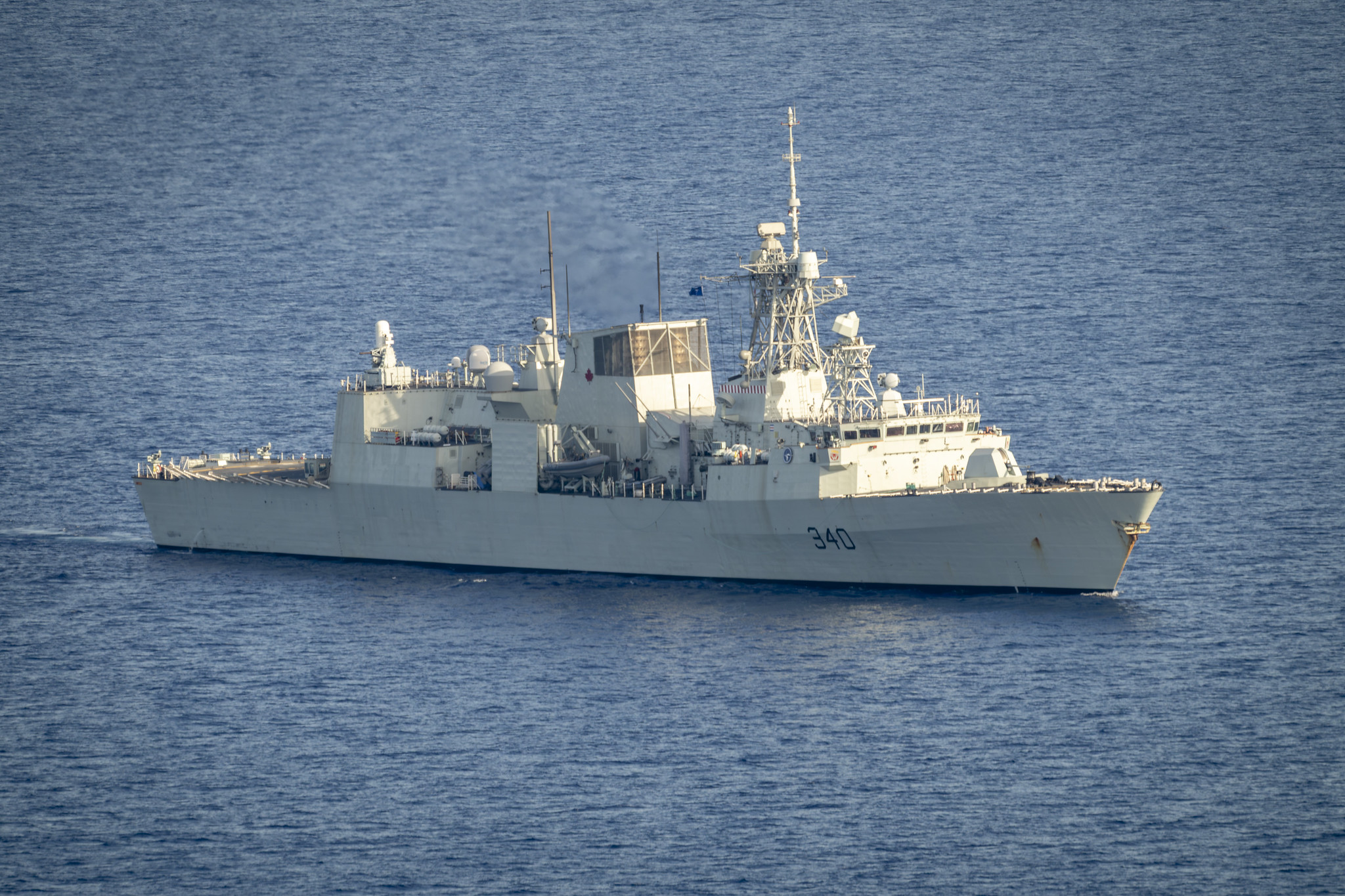
In a pathetic act of diplomatic retaliation, the Islamic Republic of Iran has officially designated the Royal Canadian Navy (RCN) as a terrorist organization. This decision, announced by Iran’s Ministry of Foreign Affairs on December 30, 2025, comes as a direct response to Canada’s earlier blacklisting of Iran’s Islamic Revolutionary Guard Corps (IRGC). The move underscores the escalating tensions between the two nations, which have had strained relations for over a decade.
While the designation carries symbolic weight, Iranian officials have not specified any immediate practical ramifications, such as sanctions or military actions. Analysts suggest it may serve more as a political statement than an enforceable policy, given the limited interactions between the two countries.
Canada and Iran have had a rocky relationship since 2012, when Ottawa severed diplomatic ties with Tehran, citing Iran’s nuclear program, support for terrorism, and human rights abuses as key concerns.
This break in relations was further exacerbated by the tragic downing of Ukraine International Airlines Flight PS752 in January 2020, when an IRGC missile struck the plane shortly after takeoff from Tehran, killing all 176 passengers on board, including 85 Canadian citizens and permanent residents. The IRGC later admitted responsibility, claiming it was a “mistake” amid heightened tensions with the United States
The immediate catalyst for Iran’s recent action traces back to June 19, 2024, when Canada officially listed the IRGC as a terrorist entity under its Criminal Code. Canadian officials justified this by pointing to the IRGC’s “disregard for human rights” both domestically and internationally, its role in destabilizing global order, and its involvement in the Flight PS752 incident. The decision followed years of advocacy from Canadian lawmakers, including a unanimous House of Commons vote in May 2024 supporting a report that urged the blacklisting. Tensions were particularly high amid Iran’s missile attacks on Israel earlier that year.
The IRGC, an elite branch of Iran’s armed forces, wields significant influence, controlling vast business empires and military operations. It has been accused by Western governments of sponsoring terrorism worldwide, allegations that Iran vehemently denies.
The United States designated the IRGC as a foreign terrorist organization in April 2019, a move that prompted Iran to enact a reciprocal law later that year. Australia followed suit in November 2025, citing alleged attacks on its soil.
Iran’s decision to label the RCN a terrorist organization was framed as a reciprocal measure under its 2019 law, which authorizes countermeasures against nations that align with the U.S. in designating the IRGC. Iranian officials described Canada’s action as “illegal” and contrary to international law, arguing that it improperly targets an official branch of a sovereign state’s armed forces.
Why the Navy was singled out, rather than the broader Canadian Armed Forces, remains unclear from public statements, though it may be a pointed response to Canada’s maritime activities or simply a symbolic choice. Iran has emphasized that such designations lack legal basis and undermine norms of state sovereignty
This is not Iran’s first retaliatory designation; similar actions have been taken against U.S. forces following the 2019 U.S. move.
