Halifax, July 6, 2026 — Prime Minister Mark Carney announced today that Canada has chosen Germany’s ThyssenKrupp Marine Systems (TKMS), in partnership with Norway, as the preferred supplier to build a new fleet of up to 12 conventionally powered submarines for the Royal Canadian Navy.
The announcement, made dockside in Halifax, marks the conclusion of a competitive procurement process and positions TKMS’s Type 212CD design as the platform for one of the largest defence projects in Canadian history. The government will now enter exclusive negotiations with TKMS to finalize a contract, a process expected to take several months. Should those talks fail, Canada retains the option to switch to South Korea’s Hanwha Ocean as the reserve supplier.
“This was a difficult, close decision between two highly qualified suppliers,” Carney said. “Both the TKMS and Hanwha platforms met the capabilities of the Royal Canadian Navy, and both put forward strong proposals to maximize benefits for Canadian workers and businesses.”
Carney emphasized that the final choice came down to selecting “the absolute best platform and partnership to meet Canada’s combined strategic, security and economic interests.”
“This project is about much more than acquiring submarines. It builds Canadian industrial capacity,” Carney added.
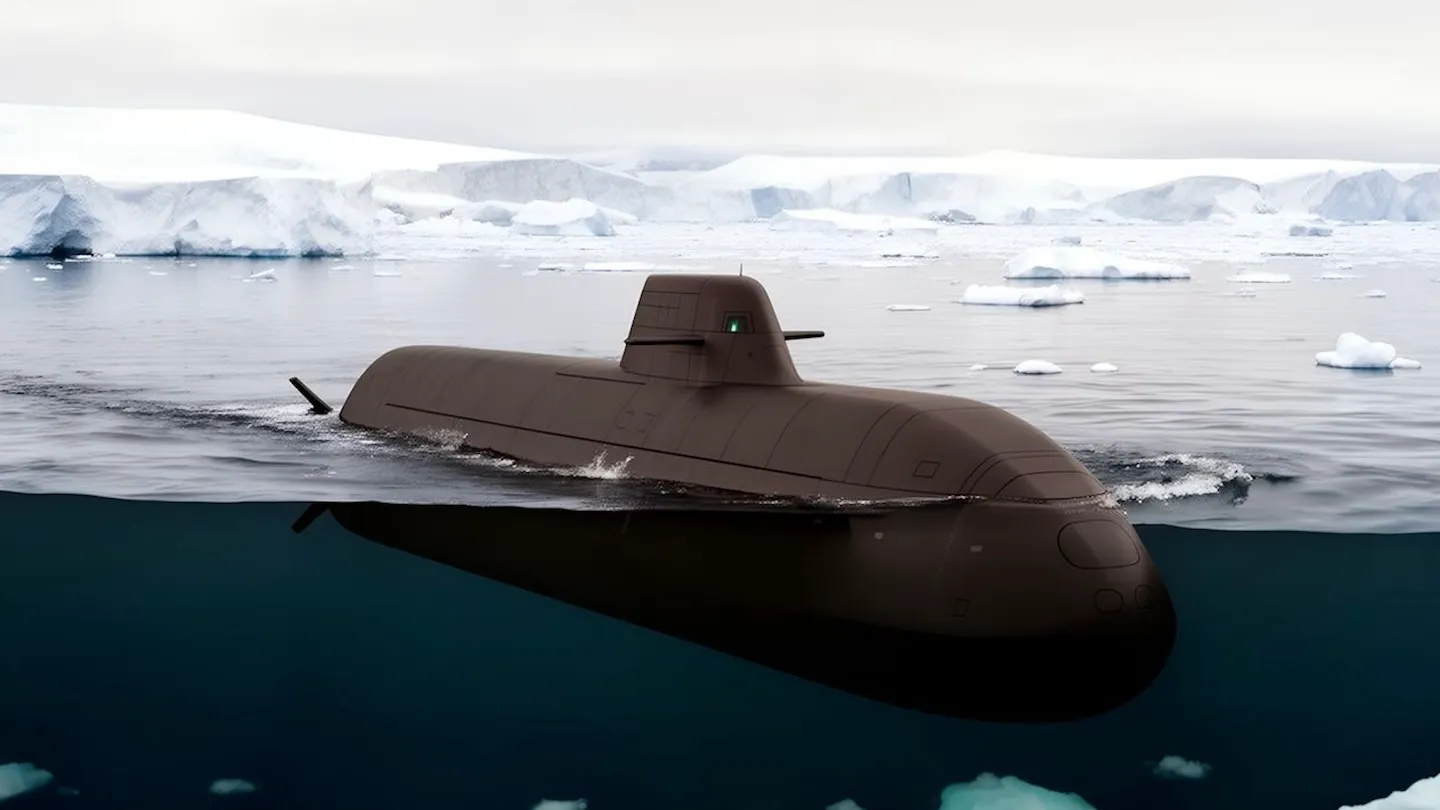
The Type 212CD submarine, developed jointly by Germany and Norway, was selected for its advanced stealth capabilities, air-independent propulsion suited for extended under-ice operations in the Arctic, and seamless integration with NATO allies. TKMS supplies roughly 70% of NATO’s non-nuclear submarine fleet, offering Canada access to established training, logistics, and operational frameworks alongside Germany and Norway.
The deal is expected to deliver tens of billions of dollars in investment across every region of Canada through industrial offsets and economic benefits. TKMS has committed to significant Canadian content and partnerships, with the broader program potentially reaching $100 billion or more over its lifetime when including maintenance, sustainment, training, and infrastructure.
TKMS CEO Oliver Burkhard stated: “We stand ready to work alongside the government of Canada, Canadian industry and our partners in Germany and Norway to deliver a world-class submarine capability that will strengthen security, create economic opportunity and generate lasting benefits for future generations.”
Background: An Aging Fleet in Need of Replacement
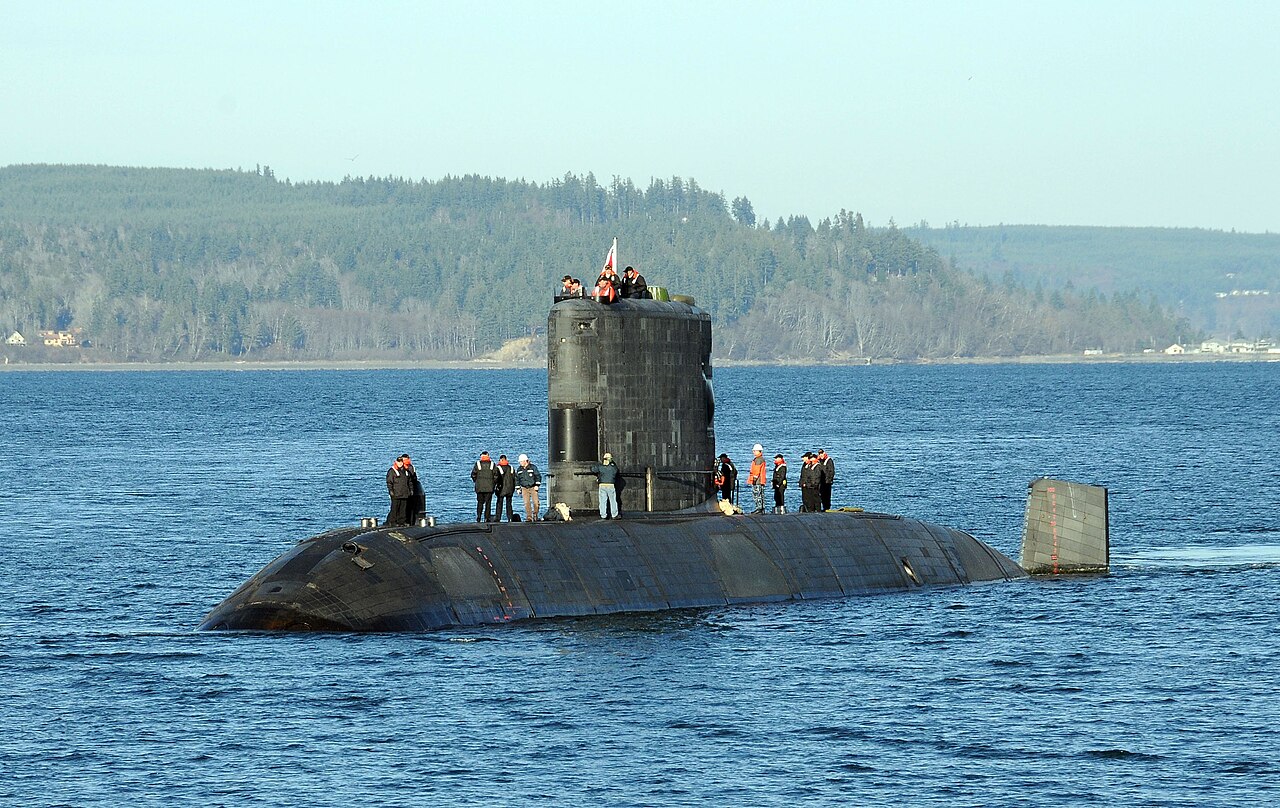
Canada’s current submarine force consists of four second-hand Victoria-class diesel-electric submarines, acquired from the United Kingdom in the late 1990s. Only one is typically operational at any given time due to persistent maintenance challenges.
These aging vessels have left Canada with limited undersea surveillance and patrol capacity across its three oceans. The new fleet aims to provide persistent presence in the Atlantic, Pacific, and Arctic, supporting sovereignty, NATO commitments, and emerging security needs in an era of great-power competition.
The Chosen Design: Type 212CD (German-Norwegian Partnership)
TKMS, the world’s leading builder of non-nuclear submarines, will supply the Type 212CD (Common Design), a next-generation conventionally powered attack submarine developed jointly by Germany and Norway.
Key features include:
- Advanced air-independent propulsion (AIP) using PEM fuel cells for extended submerged endurance (up to several weeks).
- Low-observable design optimized for stealth.
- Lithium-ion batteries for improved performance.
- Capability to operate under Arctic ice.
- Six 533 mm torpedo tubes capable of launching heavyweight torpedoes, missiles, and unmanned underwater vehicles.
- Combat system developed with partners including Norway’s Kongsberg.
The 212CD is already in production for the German and Norwegian navies, allowing Canada to join an existing multinational program rather than starting from scratch. This partnership offers shared training, logistics, maintenance, and operational concepts among three NATO Arctic nations.
Economic and Strategic Benefits
The German-Norwegian bid stood out for its strong alignment with Canada’s industrial and strategic priorities. German officials have highlighted that the deal could generate $86 billion in GDP contributions and over 650,000 job-years of employment in Canada over the project’s lifespan.
TKMS has signed multiple memorandums of understanding with Canadian firms (including Seaspan Shipyards) and proposed investments in areas such as critical minerals, LNG exports, carbon capture, and advanced manufacturing. While the submarines themselves will use specialized steel not produced in Canada, the consortium has committed to broader industrial offsets.
Strategically, the choice strengthens Canada’s ties with NATO allies and provides access to a proven submarine ecosystem. TKMS supplies approximately 70% of NATO’s non-nuclear submarine fleet. Officials from Germany and Norway have framed the deal as creating a unified “common fleet” for training and operations.
Competition and Decision Process
In August 2025, Canada narrowed the field to two qualified suppliers: TKMS (offering the 212CD) and Hanwha Ocean (offering its KSS-III design). Both met technical requirements for range, endurance, and under-ice capability.
South Korea had aggressively pitched faster initial deliveries and significant economic offsets (including promises of tens of thousands of jobs and major investments). However, the German-Norwegian proposal ultimately prevailed, citing superior NATO integration, lower long-term risk through an existing production line, and deeper strategic alignment.
Germany and Norway offered to accelerate deliveries by reallocating production slots from their own orders, aiming for the first Canadian submarines around 2035–2036.
Timeline and Next Steps
- Announcement: Expected in Halifax today (or July 7), with Prime Minister Carney heading afterward to a NATO summit.
- Contract finalization: Negotiations will continue; a full contract award could take additional time.
- Deliveries: First new submarines targeted for the mid-2030s to avoid a capability gap as Victoria-class boats retire.
- Total program value: The submarine acquisition itself is estimated in the $12–30 billion range (CAD), with the full lifecycle (including 30–50 years of maintenance, training, and infrastructure) potentially exceeding $100 billion.
Implications for Canada’s Defence Posture
This procurement will give the Royal Canadian Navy its first modern, purpose-built submarine fleet in decades — significantly enhancing Canada’s ability to monitor its vast maritime domain, contribute to collective defence, and operate effectively in the High North.
It also reflects broader government priorities under Prime Minister Carney: maximizing domestic economic returns from defence spending and deepening partnerships with reliable NATO allies amid shifting global dynamics.
As details of the formal announcement emerge, further specifics on construction locations, exact delivery schedules, and industrial participation are expected in the coming weeks and months.
Related posts:
Canada Participates in Multilateral Maritime Cooperative Activity in the Philippines’ Exclusive Econ...
Potential Exists for Canadian Navy to acquire South Korean Submarines

Royal Canadian Navy Welcomes Vice-Admiral Dan Charlebois as New Commander